Skip to content
Dr. Willie Myles

Atlanta, GeorgiaPrivate practiceOnline sessions

The cause,
not the symptom.

Dr. Willie MylesTrauma & behavioral specialist

Verified on Psychology Today

Thirty-five years of trauma-focused work built on one idea: find what is actually causing the distress, treat it there, and the symptoms stop doing the job they were doing.

Private pay practice. No insurance accepted — and no claims filed on your behalf.

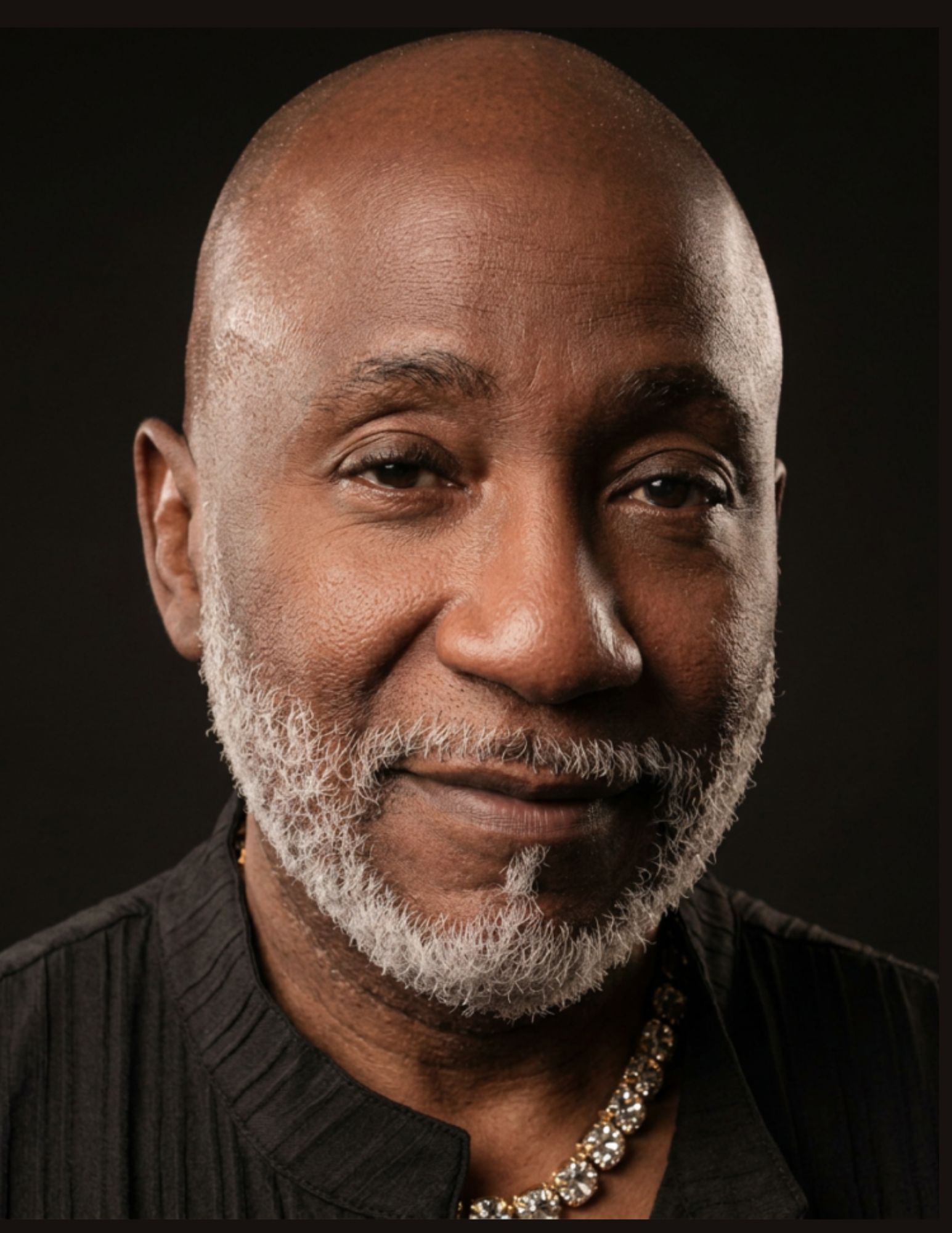
Dr. Willie Myles, trauma and behavioral specialist, in a studio portrait

Dr. Willie Myles

Trauma & behavioral specialist

Atlanta,
Georgia

“Why allow any time-specific and limited situation to control the rest of your life?”

Just a thought — Dr. Myles

35+
years in practice
Trauma
focused therapy
All ages
individuals, couples, families
Private pay
no insurance required

Demystifying therapy

If you have been
putting this off,
this part is for you.

Therapy has a reputation it has not earned — mysterious, clinical, something you have to be in bad shape to admit you need. Here is what actually happens, in plain words, before you decide anything.

Step one takes fifteen minutes

Request your 15-minute consultation

Tell me roughly what is going on. I will call you back within one business day. No intake forms, no insurance questions, and no long story required the first time.

Private pay practice — no insurance accepted.

Please do not include clinical details you would rather share in person. Email and phone are optional, but leaving one lets me reply.

01

What a first session is actually like

Mostly talking. You sit down, and I ask what brought you in. There is no test, no questionnaire to score, and no one deciding whether you qualify as “bad enough” to be here.

You will not be asked to start at the worst thing. Tell me what you can tell me. If a question is too much on the first day, say so and we move around it. “I don’t know” is a real answer, and a common one.

What I am listening for is the story — not a diagnosis, not a label. How long this has been going on, who else is in it with you, and what you have already tried.


02

Why we look for the root instead of only the symptom

Anxiety, anger, shutting down, not sleeping — these are usually doing a job. They are protecting something. Managing them without asking what they are protecting is why the same feeling keeps returning in a new situation.

So the work is to find what is underneath: an old experience, a message you were given early, a loss nobody in the family named out loud. In plain terms, we go looking for the cause and treat that.

It is not a longer version of symptom management. It is a different direction, and it is why the change tends to hold.

03

What confidential actually means here

What you say in this room stays in this room. I do not discuss clients with anyone — not family, not an employer, not a school, not an insurance company. This is a private-pay practice, so no carrier receives your sessions or requires a diagnosis to authorize them.

There are a small number of legal exceptions that apply to every licensed therapist in Georgia: if there is imminent risk of serious harm, if a child or vulnerable adult is being abused, or if a court orders records. I say those out loud in the first session, before you decide what you want to share.

Nothing is a surprise later. That is the point.

04

How to know you are ready

There is no test for readiness, and no moment when it becomes comfortable. Most people who call are not sure they are ready. They are tired of the same week happening over and over.

If you are waiting to feel prepared, that wait can be long. Not feeling ready is one of the most normal reasons to call, not a reason to hold off.

You also do not have to be in crisis to be here. Something can be worth looking at before it becomes an emergency.

05

Nothing is committed in the first fifteen minutes

The first step is a short telephone call — about fifteen minutes. You tell me a little of what is going on, I tell you how I work, and you ask me anything, including what it costs.

There is no pressure to book and no obligation to continue. If it is not a fit, I will say so plainly and point you toward something better suited. If it is, we schedule the first session.

You can also simply call the office and ask a question without giving your name.

If reading this made you feel a little less alone, that is already enough of a reason to call.

The specialty: trauma

Most of what brings people here is older than the reason they give.

Trauma-focused therapy is the heart of this practice. Not trauma as a single event on a timeline, but the way one — or a hundred — can settle into how a person handles conflict, closeness, authority, and their own reflection in a mirror.

That is why the same distress keeps showing up in new situations. The situation is new. The response is not.

  • Adults carrying childhoods they did not choose
  • Teens: explosive anger, defiance, school adjustment
  • Couples stuck in the same argument for years
  • Parents managing behavior instead of understanding it
  • Men taught early that expression was a risk
  • Families holding a secret everyone knows
A teenager sitting on outdoor steps at dusk, looking down in thought
A woman standing by a window in late afternoon light

“Symptom work plateaus. Root work holds.”

Fine roots spreading through rich dark soil around a young seedling

“My goal is to identify the root causes of your discomfort, then treat them.”

The approach

Symptom work plateaus.
Root work holds.

Most people arrive having already tried to manage the symptom — the anger, the anxiety, the shutdown, the sleeplessness. Managing it is exhausting, and it tends to come back. I work the other way around: we locate what is producing the distress, and treat that.

  1. One

    We name the root

    Not the argument, not the diagnosis, not the behavior — the thing underneath it. That takes time, honesty, and a room where you are not performing.

  2. Two

    We treat the root

    Direct, active therapy aimed at the cause rather than the surface. This is the part most symptom-only approaches skip, and it is why the change lasts.

  3. Three

    The symptoms loosen

    When the cause is treated, the anxiety, the anger, the withdrawal, and the sleeplessness stop doing the job they were doing. They diminish because they are no longer needed.

More about Dr. Myles →

Work with me

Individuals, couples, families.

01

Individual therapy

One-to-one work for adults and adolescents. We find the root cause of the distress, treat it there, and the symptoms lose their grip.

02

Family therapy

For households where one person’s pain has become everyone’s weather. We trace the pattern to its source and change it together.

03

Couples therapy

For two people who keep having the same argument in different words. We get to the root of the conflict and work from there.

All services →

Fees

Simple fees.
No insurance.

I do not accept insurance plans. Every session is private pay, paid directly, and the fee you see is the fee. Nothing is submitted to a carrier, no diagnosis is filed on your behalf, and no one outside this room decides how many sessions you are allowed.

If cost is the barrier, say so when we talk. Sliding scale pricing is available on a limited basis.

Fees & what to expect →
Individual session
45 minutes
$125
Couples session
45 minutes
$225
Telephone consultation
15 minutes
$60
504 / IEP consultation
30–45 minutes
$95

No insurance is accepted at this practice. If insurance coverage is essential for you right now, this is not the right fit — and I would rather tell you that on the first call than after a session.

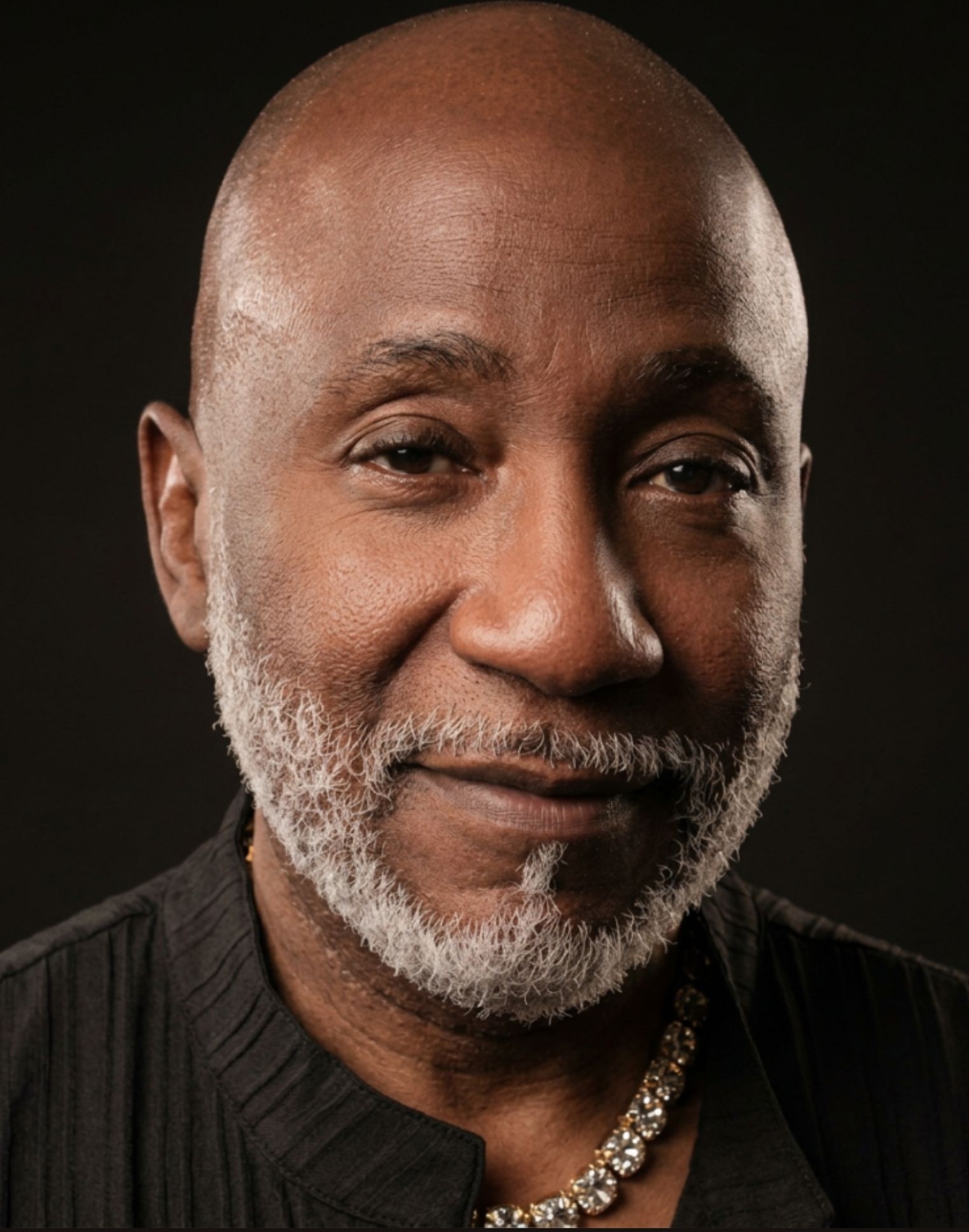
Portrait of Dr. Willie Myles

About Dr. Myles

Thirty-five years of listening for what is underneath.

Dr. Willie Myles has spent more than 35 years addressing complex adult and adolescent behavior, drawing on extensive training as a behaviorist and a specialization in Trauma Focused Therapy. He is known for effective work with teens facing maladaptive behaviors — explosive anger, difficulty focusing, oppositional defiance, and trouble adjusting at school — and for the parents who are trying to hold a household together through it.

His model is direct and deliberately unslow: name the root cause, treat it, and let the symptoms subside because they are no longer needed. The work is warm, but it is not vague — clients are told the truth about what is happening and why.

  • Over 35 years addressing complex adult and adolescent behavior
  • Trained as a behaviorist
  • Specialist in Trauma Focused Therapy
  • Verified by Psychology Today
  • Root-cause model: identify the cause, then treat it
Read the full background →

In their words

What clients say about the work.

Shared with permission. Names are shortened to protect privacy.

Dr. Myles has been an outstanding therapist, mentor, and coach. He helped me address root issues in a space built on trust, integrity, humor, and support. I felt informed and cared for throughout my treatment, without needing medication or insurance to get the help I needed.
Michael
Counseling with Dr. Myles changed my life. His direct, honest approach feels less like therapy and more like talking to a trusted friend. He helped me see my worth, take control of my situation, and feel whole again.
Melinda
After aging out of foster care, I felt lost, alone, and hurt. Dr. Myles helped me see that my parents’ role was to get me here, and that others were sent to help me move forward. His words changed how I viewed my parents, myself, and the people who supported me.
Ken

Questions

Asked before,
answered plainly.

If your question is not here, ask it on the first call. There is no charge for wondering.

Do you accept insurance?

No. This is a private-pay practice, and every session is paid for directly. That is a deliberate choice, not an oversight: it means no insurance company sets the number of sessions, reviews what we talk about, or requires a diagnosis to authorize care. You and I decide when the work is done.

What does private pay mean for me?

You pay the session fee directly at the time of service, and that is the whole arrangement. There is no claim to file, no authorization to wait on, and no third party in the room. My fees are listed plainly on this site so there are no surprises.

How do I schedule an appointment?

Send a short request through the consultation form on this site, or call the office. I offer a 15-minute telephone consultation so you can ask your questions and we can decide together whether this is the right fit before you commit to a session.

What services do you offer?

Individual therapy, family therapy, and couples therapy, all built around identifying and treating root causes. I also consult with parents on 504 Plans and IEP meetings when a child is struggling at school.

What can I expect during a session?

A safe, confidential room where you can say the true thing out loud. I listen closely, I am direct with you, and we work collaboratively on what is actually in the way — not small talk for fifty minutes.

If something here sounds familiar, that is enough to start.

You do not need the right words or a diagnosis. Send the short form and I will call you back within one business day.

Location
Atlanta, Georgia — sessions by appointment, online available

If you are in crisis, call or text 988 for the Suicide & Crisis Lifeline.

Please do not include clinical details you would rather share in person. Email and phone are optional, but leaving one lets me reply.